

Research Chemicals
Promethazine Hydrochloride: Complete Medical Guide
Promethazine Hydrochloride: Uses, Dosage, Side Effects, and Safety Guide
What Is Promethazine Hydrochloride?
Promethazine Hydrochloride is a prescription medication primarily used to treat allergic conditions and nausea-related symptoms. It works by blocking histamine receptors in the body and calming the brain’s vomiting center.
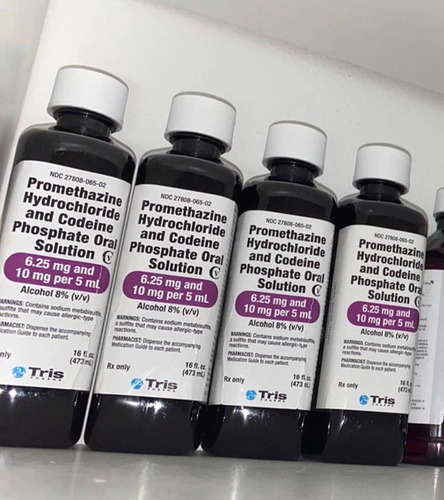
Doctors often prescribe Promethazine Hydrochloride to treat conditions such as:
- Seasonal allergies
- Motion sickness
- Nausea and vomiting
- Cold symptoms
- Sedation before surgery
- Postoperative nausea
Because of its sedative effects, patients may feel drowsy after taking the medication.
How Promethazine Hydrochloride Works
Promethazine Hydrochloride works by blocking H1 histamine receptors in the body. Histamine is a chemical that the body releases during allergic reactions. By blocking these receptors, the medication prevents symptoms such as swelling, itching, sneezing, and watery eyes.
Additionally, Promethazine affects the brain’s vomiting center, which helps reduce nausea and vomiting. This makes it effective for people who experience motion sickness or nausea caused by medical treatments. Check Out Now Promethazine Hydrochloride & Codeine Phosphate Oral Solution
Medical Uses of Promethazine Hydrochloride
Promethazine Hydrochloride has several approved medical uses. Doctors commonly prescribe it for the following conditions:
1. Allergy Treatment
The medication helps relieve common allergy symptoms such as:
- Runny nose
- Sneezing
- Skin rash
- Itching
- Watery eyes
It is especially useful during seasonal allergy periods.
2. Motion Sickness Prevention
Promethazine Hydrochloride helps prevent nausea and dizziness caused by motion sickness during travel by car, boat, or airplane.
3. Nausea and Vomiting Relief
Doctors often prescribe this medication for patients experiencing nausea caused by:
- Surgery
- Medication side effects
- Illness
- Pregnancy-related nausea (in some cases)
4. Sedation Before Surgery
Promethazine has mild sedative properties. Doctors may use it before surgical procedures to help patients relax.
5. Cold and Flu Symptoms
Sometimes healthcare providers include Promethazine in combination medications to treat symptoms such as cough, runny nose, and sneezing.
Recommended Dosage
The dosage of Promethazine Hydrochloride depends on the patient’s age, medical condition, and treatment purpose.
Typical Adult Dosage
- Allergy treatment: 25 mg once daily at bedtime or 12.5 mg twice daily
- Motion sickness: 25 mg taken 30–60 minutes before travel
- Nausea and vomiting: 12.5–25 mg every 4–6 hours as needed
Children Dosage
Doctors carefully calculate pediatric doses based on body weight and age. Promethazine is not recommended for children under 2 years old because it may cause serious breathing problems.
Always follow a doctor’s prescription instructions.
Common Side Effects
Like most medications, Promethazine Hydrochloride can cause some side effects. Most side effects are mild and temporary.
Common Side Effects
- Drowsiness
- Dizziness
- Dry mouth
- Blurred vision
- Constipation
These symptoms usually disappear as the body adjusts to the medication.
Serious Side Effects
Although rare, some patients may experience serious reactions that require medical attention.
Serious Reactions Include
- Difficulty breathing
- Severe dizziness
- Seizures
- Hallucinations
- Severe allergic reactions
If any of these symptoms appear, seek medical help immediately.
Safety Precautions
Before taking Promethazine Hydrochloride, patients should consider several important safety precautions.
Avoid Alcohol
Alcohol can increase the sedative effects of Promethazine and cause excessive drowsiness or breathing problems.
Driving and Machinery
Because the medication causes drowsiness, patients should avoid driving or operating heavy machinery until they know how the drug affects them.
Pregnancy and Breastfeeding
Pregnant or breastfeeding women should consult a doctor before using Promethazine.
Medical Conditions
Inform your doctor if you have:
- Asthma
- Sleep apnea
- Liver disease
- Heart disease
- Glaucoma
Drug Interactions
Promethazine Hydrochloride may interact with several medications, including:
- Sedatives
- Pain medications
- Sleeping pills
- Antidepressants
- Anti-anxiety medications
Combining these drugs can increase sedation or cause dangerous side effects.
Always inform your healthcare provider about any medications you are currently taking.
Storage Instructions
To maintain the medication’s effectiveness:
- Store at room temperature
- Keep away from moisture and heat
- Keep out of reach of children
- Do not use expired medication
Proper storage ensures safety and effectiveness.
Frequently Asked Questions (FAQs)
1. What is Promethazine Hydrochloride used for?
Promethazine Hydrochloride is used to treat allergies, nausea, vomiting, motion sickness, and cold symptoms.
2. Does Promethazine make you sleepy?
Yes. Promethazine often causes drowsiness because it has sedative effects.
3. Can children take Promethazine?
Children over two years old may take it under medical supervision. It should never be given to children under two years old.
4. How long does Promethazine stay in your system?
Promethazine usually stays in the body for about 12 to 24 hours, depending on metabolism and dosage.
5. Can Promethazine treat cough?
Yes. Some cough medications contain Promethazine because it helps reduce coughing and allergy symptoms.
Conclusion
Promethazine Hydrochloride is a versatile medication that helps treat allergies, motion sickness, nausea, and several other conditions. Its ability to block histamine receptors and calm the brain’s vomiting center makes it highly effective for both allergic reactions and gastrointestinal discomfort.
However, patients should always follow medical advice when taking this medication. Proper dosage, awareness of side effects, and adherence to safety precautions are essential for safe use.
If you experience severe symptoms or unusual reactions while using Promethazine Hydrochloride, contact a healthcare professional immediately. Responsible use of this medication ensures effective relief and improved health outcomes.
